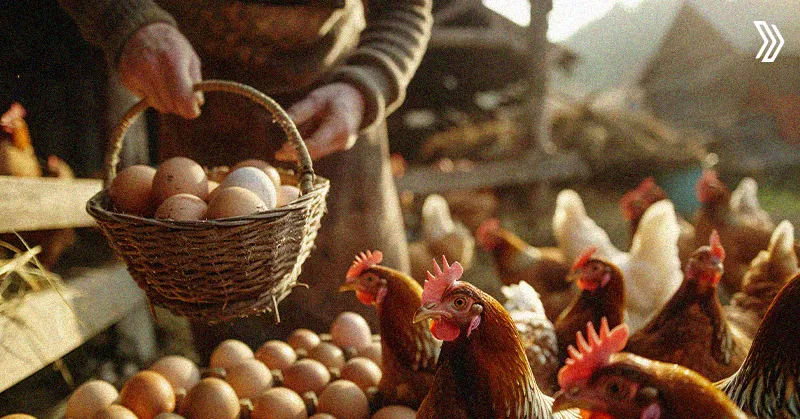
With the rapidly evolving poultry industry, raising layer chickens is more than an egg-collecting venture. It's a science-backed and facilitated process that involves technology, attention, and science.
Whether you are planning your poultry venture or want to maximize your existing poultry farm, the knowledge of the optimal layer management practices in poultry is the key to your long-term productivity as well as bird health.
This blog guides you through each phase of rearing layer birds from chick to peak production so that you may set up a profitable and viable layer poultry business.
What Are Layer Chickens?
Layer chickens are a type of chicken specifically bred for egg-laying.
Contrary to broilers, layers begin laying eggs around 18–20 weeks of age and can continue doing so profitably for a period of approximately 72 to 80 weeks.
ISA Brown, Lohmann Brown, and Hy-Line are a few commonly used breeds because of their high egg-laying capacity.
Layer management is not a "set and forget" task. The status of your business is at stake when effective layer management, such as nutrition, housing, health care, and environmental control, is not practiced.
Why is Layer Management in Poultry Important?
Successful layer management in poultry is far more than egg production. It ensures that the birds are healthy, stress-free, and in conditions that allow them to express their genetic capacity.
Among the most significant ones are:
- Housing: Clean, well-ventilated, predator-free housing.
- Feeding: Balanced nutrition to provide energy and calcium needs.
- Lighting: Controlled light exposure to stimulate egg laying.
- Health: Vaccination, deworming, and regular check-ups.
A minor gap in any of the above can impact both the quality and quantity of egg laying.
That's where efficient layer management systems—like those integrated in Livine—come in handy.
Lifecycle Phases of Layer Birds
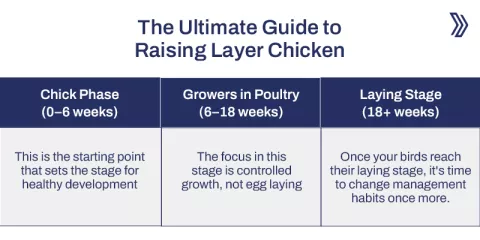
Layer birds have to be handled according to their lifecycle and how their needs change as they grow up. Let's categorize the three main phases:
1. Chick Phase (0–6 weeks)
This is the starting point that sets the stage for healthy development.
- Maintain a brooding temperature.
- Feed good chick mash with 18–20% protein.
- Provide 22–23 hours of lighting in the first week.
- Provide clean water and sufficient ventilation.
2. Growers in Poultry (6–18 weeks)
Poultry grow-out phase growers tend to be underappreciated, yet are important in establishing a solid frame and inner organs.
- Transition to grower feed (16–17% protein, reduced calcium).
- Avoid overfeeding to prevent precocious maturity.
- Maintain light exposure at 10–12 hours daily to control sexual maturity.
- Weigh and compare development with the breed standard.
The focus in this stage is controlled growth, not egg laying. Rushing the process leads to inferior quality layers later on.
3. Laying Stage (18+ weeks)
Once your birds reach their laying stage, it's time to change management habits once more. Offer them the following
- Layers feed high in calcium (3.5 -- 4%) and protein (16–18%).
- Increase light to 16 hours daily.
- Employ nests to avoid egg cracking and stress.
- Harvest eggs 3–4 times a day for optimal freshness.
Housing Systems for Layer Chickens
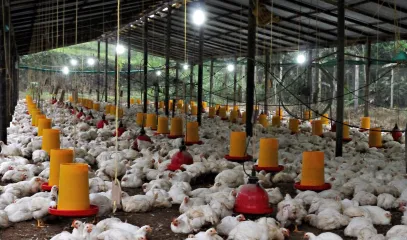
There's no single solution when it comes to housing, but your configuration should accommodate:
- Ventilation: Avoids ammonia accumulation and respiratory complications.
- Space: Supply approximately 1.5 sq. ft./bird in deep litter systems.
- Light: Artificial light can be necessary in short-day months.
- Nesting: Supplying 1 nest for every 4–5 hens reduces breakage of eggs.
Livine’s poultry software will help you track environmental data, flock condition, and alerts to enhance your housing system's performance.
Nutrition for Maximized Egg Production
Feed is among the biggest cost elements of layer management in poultry, but is also the most critical.
- Starter Feed (0–6 weeks): High protein, for initial development.
- Grower Feed (6–18 weeks): Equilibrium to avoid early laying.
- Layer Feed (18+ weeks): Energy and calcium-rich for sustained laying.
Clean water isn't an afterthought—birds consume 2x as much water as the feed they eat, and any upset can reduce egg production.
Disease Control and Biosecurity
Proper layer management also includes safeguarding flock health. Diseases of poultry, like Newcastle, Fowl Pox, or Salmonella, can destroy a layer operation.
Tips on maintaining health:
- Stick to a strict vaccination regimen.
- Quarantine new birds before introducing them to the flock.
- Prevent visitors and wild birds from accessing housing.
- Regularly clean feeders, waterers, and equipment.
By using Livine Poultry software, you can automate many things, you can automate vaccination reminders, medical records, and even notify you of unusual bird behavior patterns. This can help you keep your flock healthy
Role of Technology in Layer Chicken Farming
The modern poultry production business is greatly reliant on data and automation. By using the Poultry software, you can change the way layer management works for poultry:
- Real-time flock performance dashboards
- Feed consumption monitoring
- Mortality and production alerts
- Forecasting tools for egg yield and feed budgeting
These tools not only streamline operations but also reduce human error and enhance profitability in the long term.